Independent Travel Guide

Your independent guide to the Osaka Aquarium Kaiyukan

Eleven years of exhibits, the Pacific Ring of Life, whale sharks, jellies, and the bayside Tempozan district.
About this guide

Independent editorial coverage of one of Japan's largest aquariums

The Osaka Aquarium Kaiyukan sits on the bayside of Tempozan Harbor in Osaka's Konohana Ward. Since opening in 1990, it has remained one of the largest public aquariums in the world, organized around a central tank that traces the Pacific Ocean's Ring of Fire from coast to coast.

This site is an independent reader resource. It is not affiliated with the aquarium, the operator, or any travel agency. We compile itineraries, transport information, exhibit details, photography notes, and family guidance based on publicly available information \u2014 refreshed periodically to reflect seasonal exhibits, ticket structures, and access updates.

2.8M+
Annual visitors
15
Exhibit tanks
620+
Species on display
26,000
Site area (m\u00b2)

Reading list

Ten articles to plan a thoughtful visit

Each piece is short, practical and written for visitors on the ground.
01

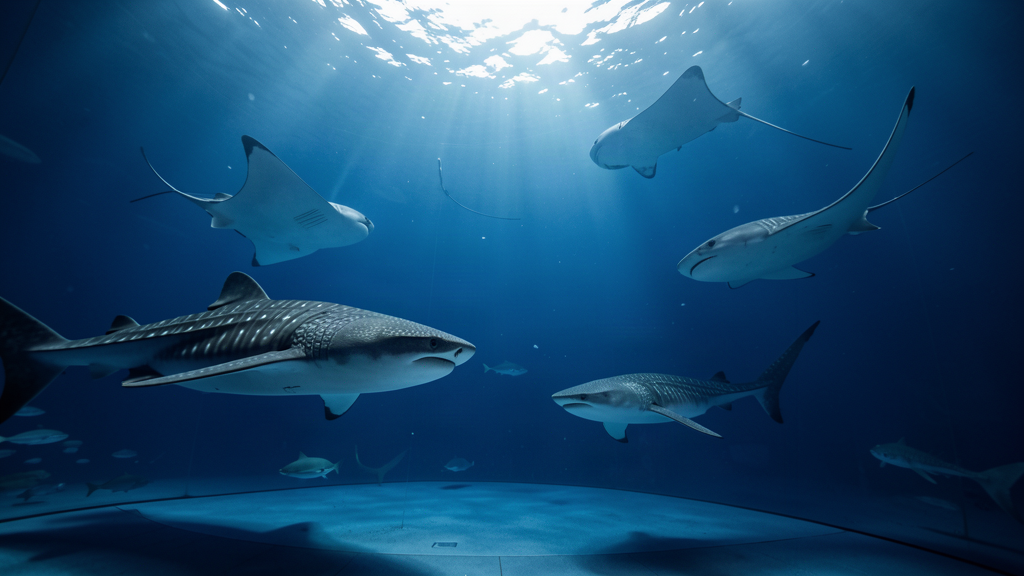
The Pacific Ring of Life

How a single 5,400-tonne tank reproduces the ocean geography of the entire Pacific Rim.
The central tank is the spine of every visit.

Whale sharks and manta rays dominate the central volume.

02

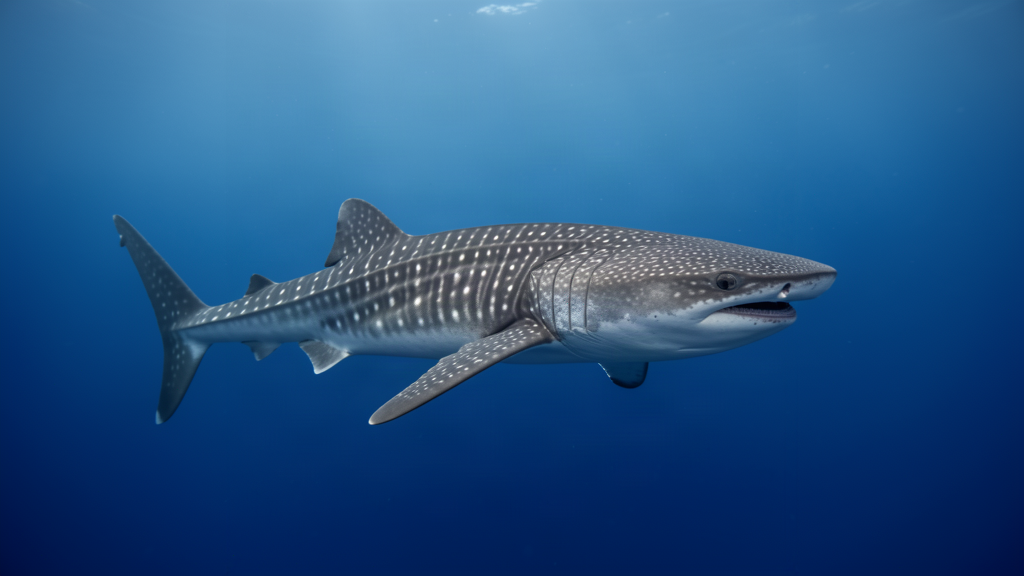
Whale sharks \u2014 biology, conservation, viewing

Why the facility has kept whale sharks for over two decades.
Kaiyukan has held whale sharks continuously since 1995.

Public viewing concentrates around the central tank's lower viewing panel.

03

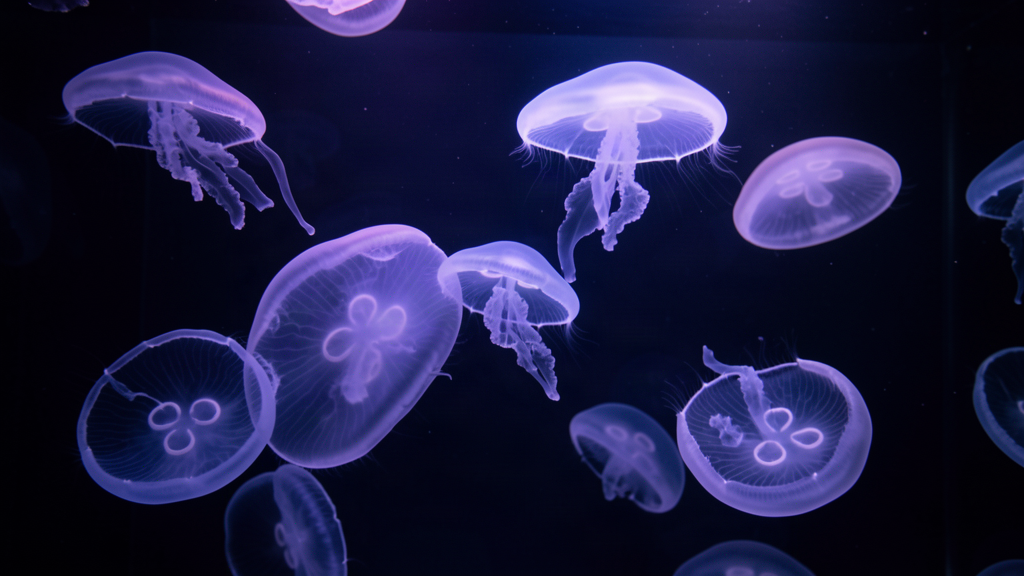
The Jellies Gallery

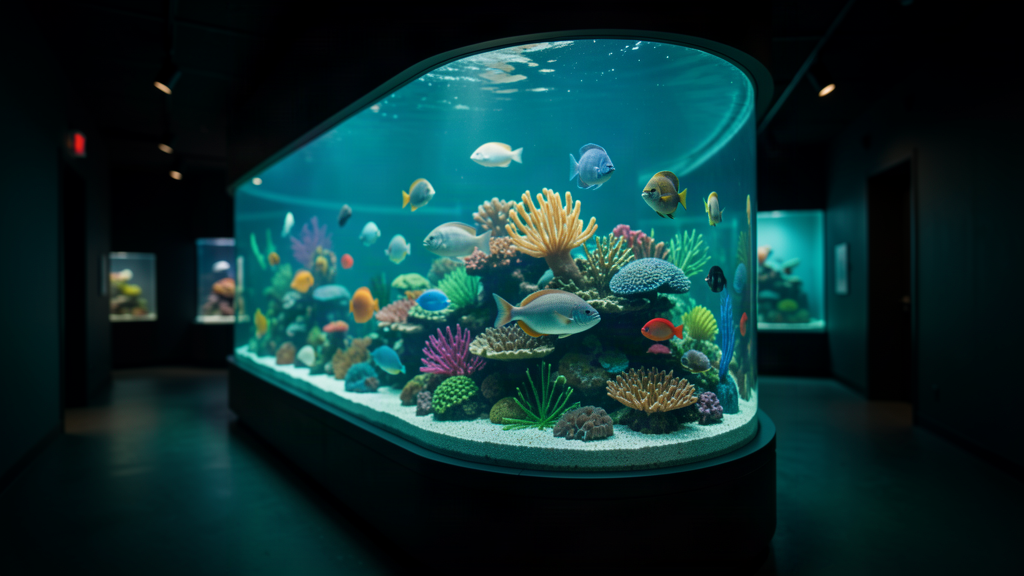
Eight cylindrical tanks of drifting invertebrates.
Beyond the central Pacific exhibit, a separate wing houses eight cylindrical jellyfish tanks.

The Gallery is small and stays uncrowded outside peak weekend afternoons.

04

The Tunnel Walk

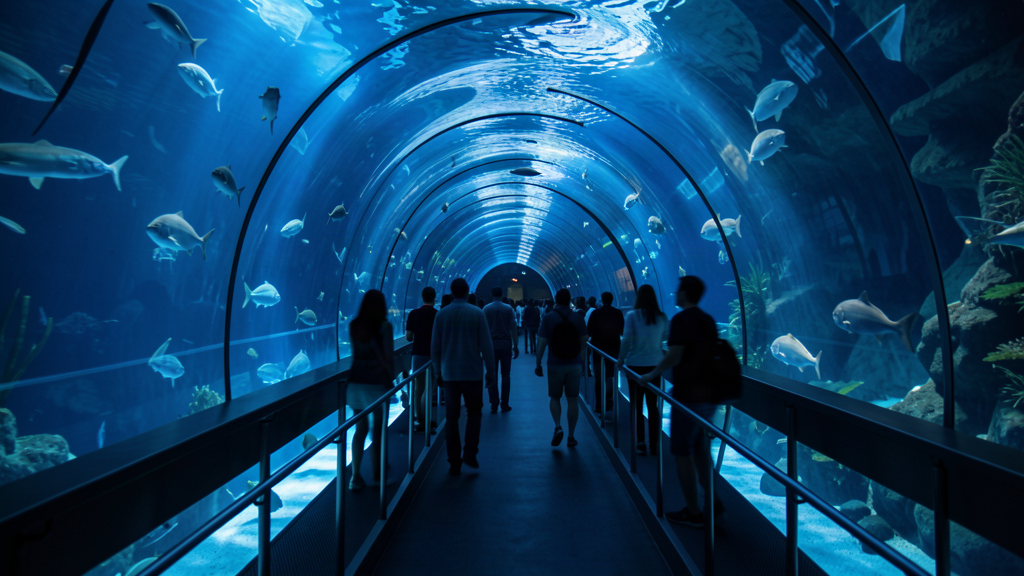
Standing beneath the central tank \u2014 perspective, scale, manta rays overhead.
At the base of the central tank, a 13-metre-long acrylic tunnel.

Best light for tunnel photos is mid-morning.

05

Getting to Kaiyukan

Train, ferry, walking routes from central Osaka and USJ.
The most reliable route from central Osaka is the Osaka Metro Chuo Line.

Drivers should note that parking at Tempozan is paid and fills on weekends.

06

Behind the exhibits

Feeding and training schedules, diver routines.
Feeding sessions happen at scheduled times throughout the day.

Divers enter the whale shark tank daily for cleaning and routine health checks.

07

Cape and Tufted Puffins

A modest exhibit near the exit that is often skipped.
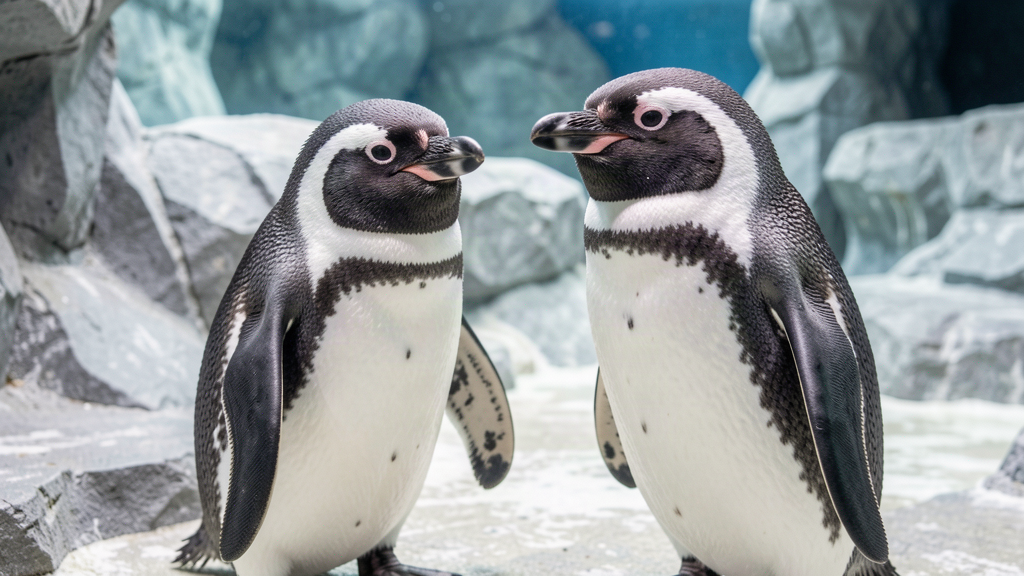
The puffin exhibit sits near the building's exit.

The species itself is unrelated to Antarctica and is native to northern Pacific coastlines.

08

Manta rays in the central tank

The wing-span moment and the best viewing angle.
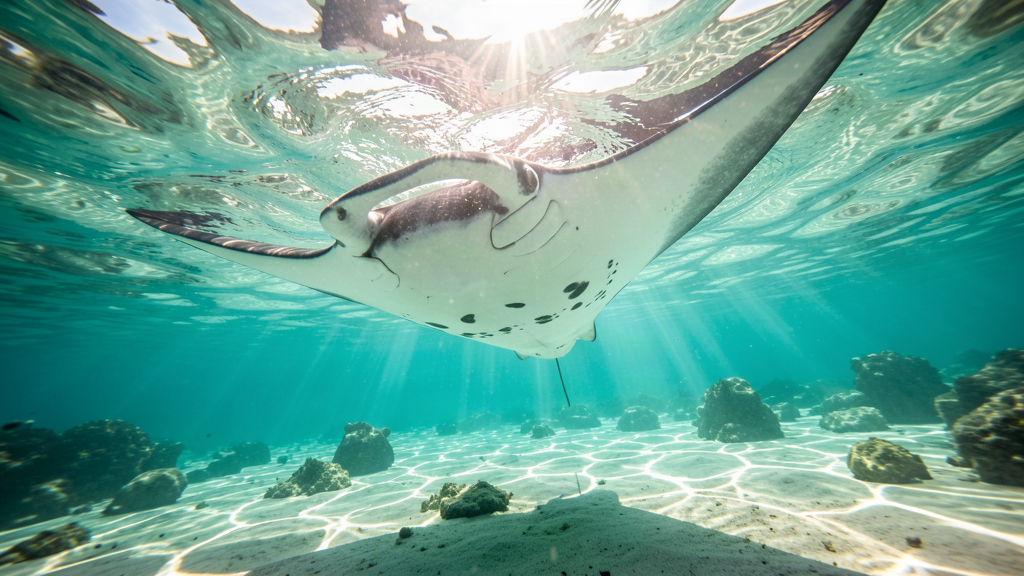
Manta rays at Kaiyukan are part of the same Pacific exhibit as the whale sharks.

Mantas feed on plankton and will often bank-turn near the surface.

09

Tempozan harbor

What surrounds the aquarium \u2014 Ferris wheel and bayside district.
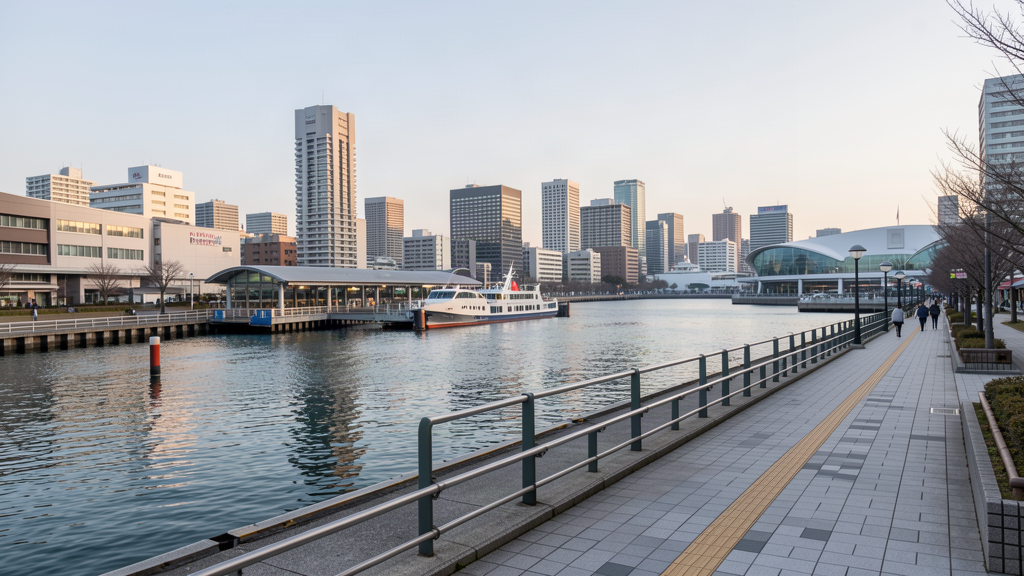
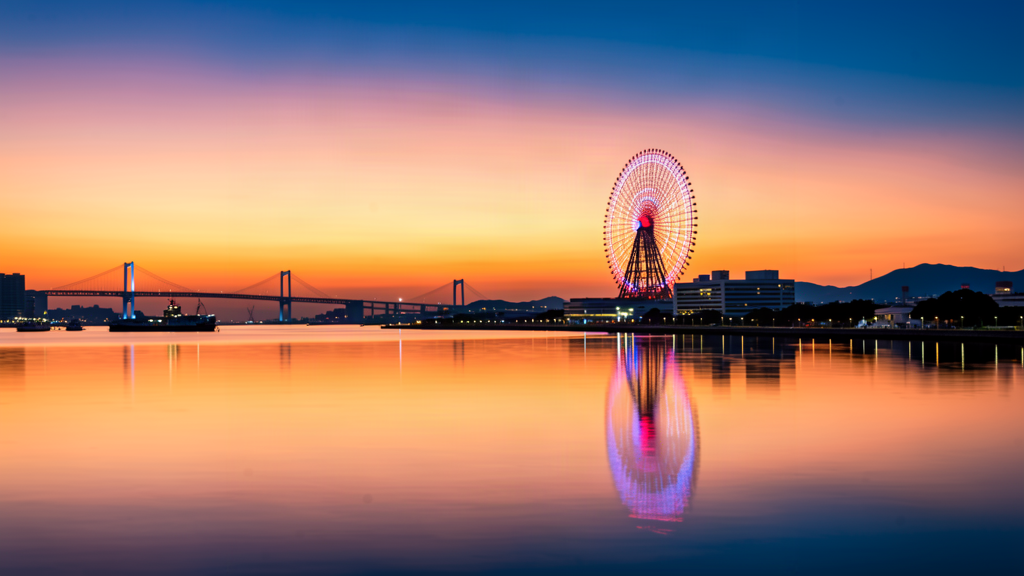
Tempozan is a small bayside district built around the aquarium.

Beyond the two headline attractions, Tempozan hosts a small shopping street and the harbor-side walkway.

10

Photography at Kaiyukan

Ten tips for shooting through aquarium glass.

Flash photography is prohibited throughout the facility.

To minimise reflections, position your lens flat against the acrylic.

Visitor tips

Six practical pointers for a calm visit

Crowd management, ticketing and time-saving notes.

Buy advance tickets

Weekend queues build quickly between 11:00 and 14:00.

Arrive before 10:30

The first ninety minutes are reliably the quietest.

Allow two to three hours

A complete visit runs 2.5\u20133 hours.

Skip the on-site caf\u00e9

Tempozan across the bridge has lower-priced lunch.

Combine with the Ferris Wheel

A combined ticket saves money and the wheel runs in nearly all weather.

Returns are free

Same-day re-entry is permitted on presentation of your ticket.

Seasonal guide

When to plan your visit

Four seasonal windows \u2014 what to expect and how to plan around them.

Spring \u2014 Sakura season

Late March to early May

  • Pair the visit with a nearby sakura walk along the harbour.
  • Late afternoon brings softer light into the central tank.

Summer \u2014 humidity and school holidays

July and August

  • Peak crowds. Book tickets days ahead.
  • The indoor exhibit offers welcome air-conditioning.

Autumn \u2014 clearest water and softer skies

October to November

  • Lowest crowd of the year outside Golden Week.
  • Sun angles bring cleaner reflections into tank glass.

Winter \u2014 quietest window

December to February

  • Smallest queues, sharpest photography.
  • Sunset comes early \u2014 ride the Ferris Wheel at 16:00.

Visitor FAQ

Six practical questions \u2014 answered

How long does a typical visit take?
Plan 2.5\u20133 hours.
Is photography allowed?
Yes, but without flash.
Are there child-friendly facilities?
Yes.
Is the aquarium wheelchair accessible?
Yes.
Can I leave and come back the same day?
Yes.
Is there a cloakroom?
Yes.